

By Sara Mulcahy Writer
On this page
- What are the signs that your hearing is in decline?
- Why do I feel so upset that my hearing is not as good as it used to be?
- Have I done something to cause my hearing loss?
- What can an audiologist do about hearing loss?
- Does hearing loss mean I am going deaf?
- What if I don’t want to use a hearing aid?
- Why should I get a hearing test?
- What is tinnitus?
- Resources
Key takeaways
- Age-related hearing loss is the most common form of hearing impairment.
- Hearing loss can be frustrating and isolating.
- In many cases, early intervention can slow or stabilise hearing loss.
It’s estimated that around one in 6 Australians live with some form of hearing loss,1 a number that climbs to almost one in 2 people over the age of 75.
If you find yourself struggling to follow conversations as easily as you once did, it may be tempting to try to ‘soldier on’. But recognising and admitting subtle changes in how well you hear can make sure you get help before hearing loss starts to impact your daily life.
What are the signs that your hearing is in decline?
The first sign that you have hearing loss is often when it becomes harder to hear what people are saying in a place where there’s a lot of background noise, for example, if you’re at a party, on a train or in a busy shopping centre.
If you agree with any of the following statements, it’s time to seek advice.
- People mumble when they're talking to me.
- I often find myself saying ‘what?’ even in a quiet place.
- Concentrating on what people are saying can be tiring.
- I want to turn the TV up louder than other people do.
- Women’s voices and children’s voices are harder to hear than men’s.
- I ‘lean in’ to hear people better.
- I have a family history of hearing loss.
Why do I feel so upset that my hearing is not as good as it used to be?
Hearing loss can be very isolating. If you are missing out on conversations, you may feel as if you are being excluded from a group.
It might even stop you from attending social events and family get-togethers, because it’s frustrating when you can’t fully participate, and exhausting when you try.
Studies show that older adults with hearing loss are more likely to suffer from depression2 than those with normal hearing.
The good news is that there are many ways you can help your hearing health, especially if you recognise and tackle the signs early on.
Have I done something to cause my hearing loss?
Probably not. Age-related hearing loss, known as presbycusis, is the most common form of hearing impairment and can develop over time.
Research supports the notion that it tends to run in families.3
Other causes4 include:
Loud noise from music, lawn mowers, explosions and sirens can damage the inner ear and result in permanent hearing loss. Always use ear protection in noisy environments.
Excessive earwax blocks sounds from the eardrum to the inner ear. There are treatments to solve this.
Putting objects in the ear (including cotton buds) can cause an infection that may lead to a damaged eardrum. This will usually be accompanied by ear pain or fluid draining from the ear.
Certain health conditions, such as diabetes or high blood pressure, can contribute to hearing loss.
Certain medications for cancer or heart disease can damage the inner ear.
Genetic variations that cause hearing loss can present in later life. Otosclerosis5 involves the abnormal growth of bone tissue that disrupts how sound works in the ear.
What can an audiologist do about hearing loss?
To see an audiologist, you can get a referral from your GP, or book an appointment directly with a clinic.
Your GP or audiologist will talk to you about your concerns, then look into your ears with an otoscope. This will show if there’s any inflammation or an obstruction (such as earwax) that might be affecting your hearing.6
If there’s no sign of a blockage, the next step is a hearing test. This is non-invasive and painless. It will generally take around 30 minutes, and includes exercises such as wearing headphones and indicating when you can hear beeps or whistles at varying frequencies and volumes.
Does hearing loss mean I am going deaf?
No. Hearing loss does not necessarily lead to deafness.
Most people find they become ‘hard of hearing’ rather than experiencing ‘profound’ deafness.
It might be caused by a temporary and treatable situation, such as an infection or a buildup of earwax; it might be caused by exposure to loud noise over time; or it might simply be a matter of aging.
Hearing loss usually develops gradually and can be managed or improved with help from an audiologist.
What if I don’t want to use a hearing aid?
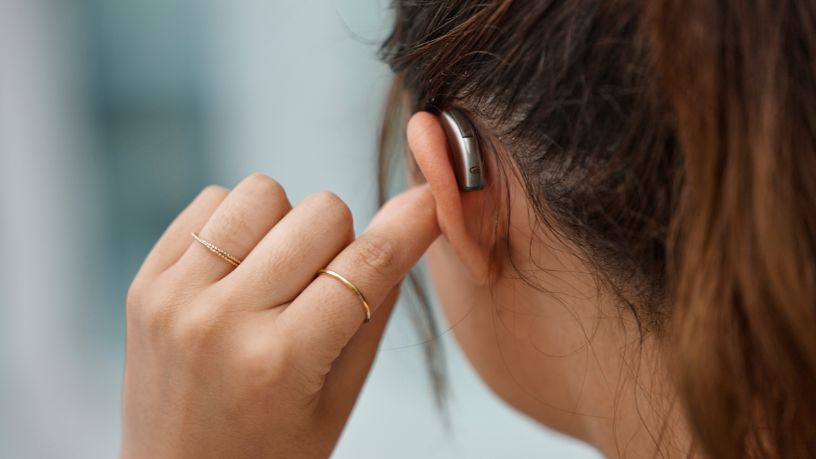
You might think that a hearing aid will be difficult to use, look unsightly or make you seem old, but the longer you wait, the more isolated you’ll become.
Today’s hearing aids and cochlear implants are smaller, smarter and less noticeable than ever before. If a hearing aid is what the audiologist recommends, it could be life-changing.
Why should I get a hearing test?
All sorts of health checks are useful as we age. While you might not think twice about getting your blood pressure taken or your eyes tested, keeping track of your hearing health isn’t always so immediate.
But it plays an important part in maintaining your overall health. Hearing loss is linked to walking problems, risk of falls, stress, and cognitive decline.7
What is tinnitus?
Tinnitus often sounds like a ringing noise in one or both ears, but it can also be a buzzing or hissing, loud or faint, and may be intermittent.
Tinnitus is sometimes the first sign of hearing loss, but it is a symptom, not a cause. If you think you’re experiencing tinnitus, see your GP for a full exploration.

Need a hearing test?
Book an appointment with our partner, Amplifon, for a free hearing test.
Resources
Amplifon offers an online hearing test.
Sara Mulcahy Writer
Sara is a journalist and content creator of 20+ years. She's based in tropical Far North Qld, where she writes about the things she’s passionate about: health, wellbeing, and Australian travel.

At Bupa, trust is everything
Our health and wellbeing information is regularly reviewed and maintained by a team of healthcare experts, to ensure its relevancy and accuracy. Everyone's health journey is unique and health outcomes vary from person to person.
This content is not a replacement for personalised and specific medical, healthcare, or other professional advice. If you have concerns about your health, see your doctor or other health professional.
1 HCIA, Hearing for Life, March 2020
2 Healthy Hearing, The link between depression and untreated hearing loss, July 2024
3 NIH, Familial Aggregation of Age-Related Hearing Loss, July 2009
4 NIH, Hearing Loss: A Common Problem for Older Adults, January 2023
5 NIH, Otosclerosis, March 2022
6 HCPI, Earwax Blockage or Hearing Loss?, May 2023
7 John Hopkins Medicine, The Hidden Risks of Hearing Loss, 2026
You might also like

How to prevent hearing loss
Hearing loss is often completely preventable. The earlier you make the changes, the better you can protect your ears.
Why you shouldn’t wait to get a hearing aid
Modern hearing aids could change your life at any age. Here’s how.

Are earbuds damaging your hearing?
You may use earbuds every day, but have you ever considered the damage they may be doing to your hearing?

The importance of staying social as you get older
Having a good social life is fun, but did you know it can also be important for mental health too?